If the Baltic Sea were a patient, it would be seriously ill. The ecosystem is suffering from the effects of climate change and excessive nutrient levels. If the Baltic Sea is to recover, it is essential that fewer nutrients enter the sea from land. Because coastal wetlands act as a large filter, their rewetting appears to be a particularly promising approach. In the Healthy Baltic Sea experimental field, we want to investigate this using the example of the Greifswald Bodden.

„The Greifswald Bodden is the most important nursery for herring in the western Baltic Sea. The fish was once the bread and butter of regional coastal fisheries. Now, due to climate change and high nutrient inputs, there are fewer and fewer young fish. As a result, fishing has almost completely ceased. If we succeed in significantly reducing nutrient loads from land in this limited area and thus helping the Baltic Sea, coastal fishing will have a chance. The herring stock can then recover.“
Prof. Dr Maraja Riechers, Transformation expert
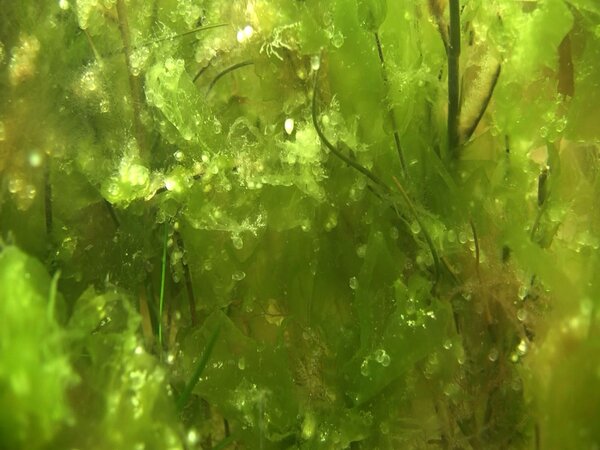
The Greifswald Bodden in north-eastern Mecklenburg-Western Pomerania is a prime example of the ecological and social challenges facing the Baltic Sea region. As a cultural area, the region plays an important role in fishing, tourism and regional identity. As an ecosystem, this clearly defined marine area is particularly important as a spawning and nursery ground for many fish species. However, the Baltic Sea ecosystem is under pressure: high nutrient inputs from land and the consequences of climate change are causing a decline in fish stocks, including herring in the western Baltic Sea, which spawns mainly in the Greifswald Bodden.
Previous attempts to improve the condition of the western Baltic Sea have focused primarily on scientific and technical measures. However, fishing, for example, cannot be restricted any further in order to help the Baltic Sea. If, however, nutrient inputs could be permanently reduced, this would have an immediate positive impact on the ecosystem and thus on fish stocks.
Less nitrogen from land, more oxygen in the Baltic Sea
There are various approaches to reducing nutrient inputs: farmers could apply less nitrogen and phosphorus to fields and meadows. A consistent energy transition would lead to a reduction in nitrogen oxide inputs from combustion processes. These source-based measures take a long time to have an effect in the sea. Researchers estimate that it will take at least ten years before the first effects become visible.
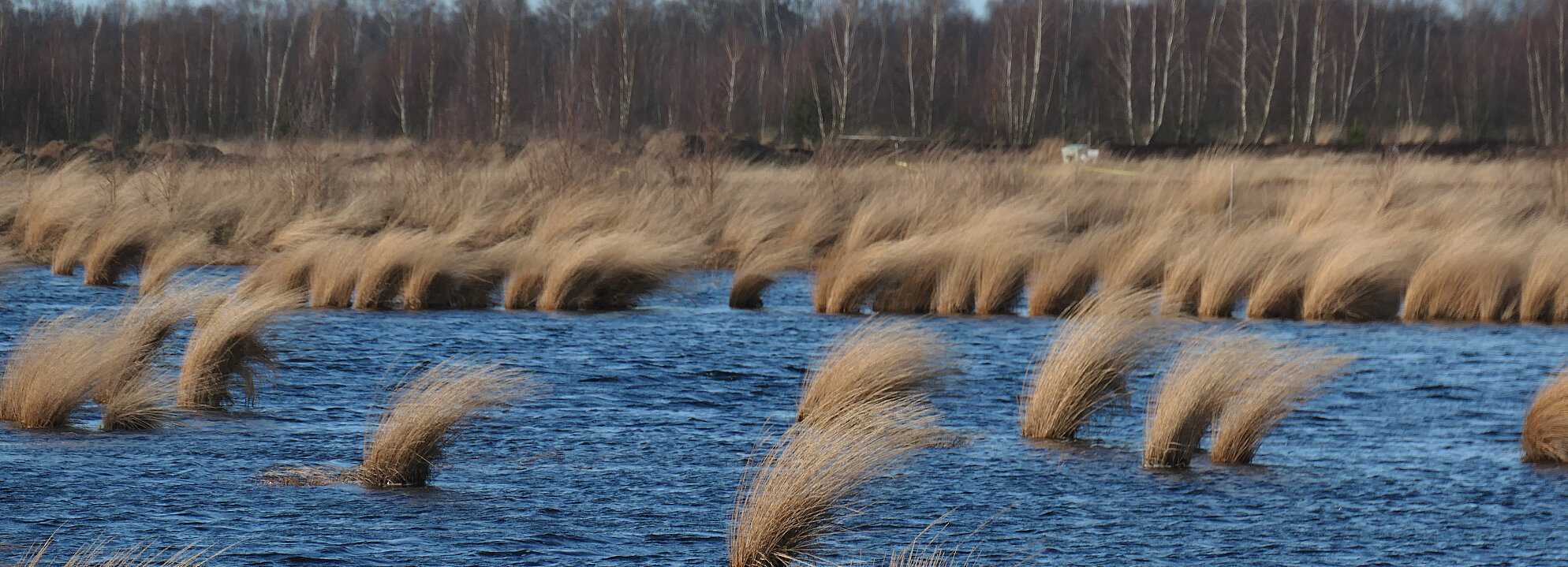
For this reason, measures are also being investigated that function as a kind of large filter for surface water, thereby preventing direct nutrient inputs into the sea. Coastal wetlands, for example, fulfil such filter functions. There are numerous such wetlands in the Greifswald Bodden catchment area. However, most of them have been drained and are used for agriculture. The rewetting of individual areas and the cultivation of so-called paludiculture are currently being tested. If the trials are successful, it would not only help the climate – wet moors store enormous amounts of carbon. The Baltic Sea ecosystem would also benefit because the nutrients would remain in the filter. Effects could probably be seen around three years after rewetting.